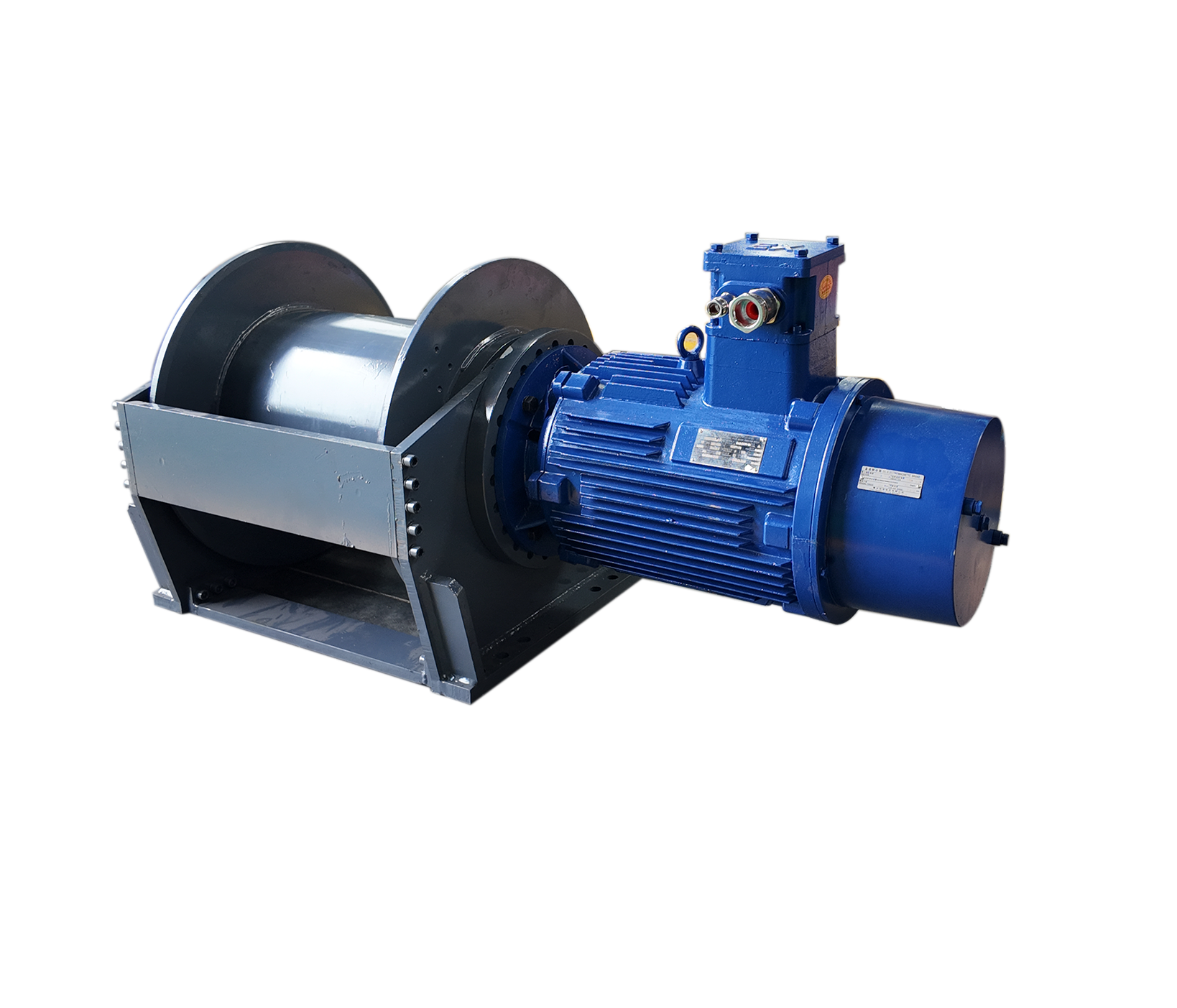
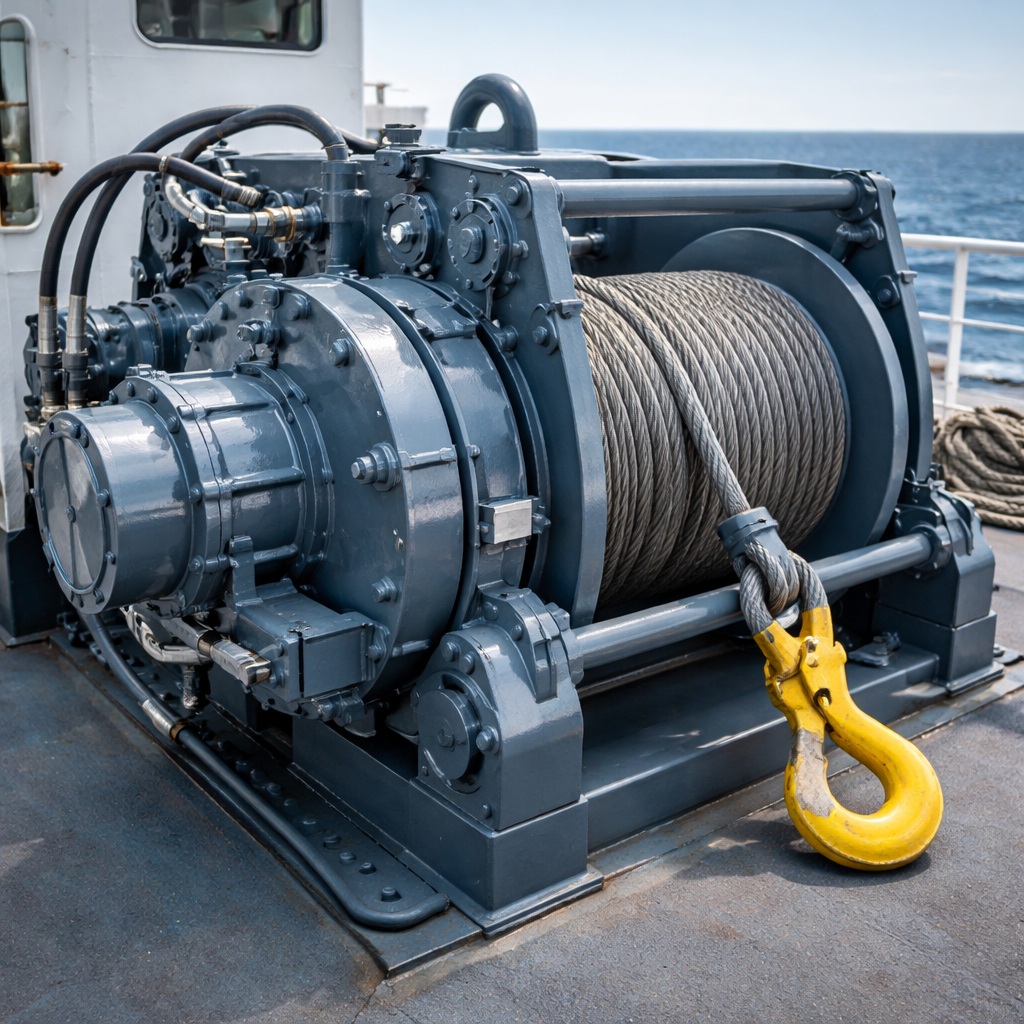
Marine winches are essential pieces of equipment used across the maritime industry for lifting, pulling, mooring, and positioning heavy loads. Whether on cargo ships, fishing vessels, offshore platforms, or construction barges, marine winches play a crucial role in improving efficiency, safety, and control during demanding marine operations. High-performance hydraulic marine winches, electric marine winches, and heavy-duty marine winch systems are widely used because they deliver strong pulling power and reliable performance even in harsh ocean environments.
In this article, we will explore the most common uses of marine winches, their importance in maritime operations, and why they are indispensable equipment for ships and offshore projects.
Ship Mooring Operations:
One of the most common uses of marine winches is mooring ships at docks, harbors, and offshore platforms. A marine mooring winch helps control heavy mooring ropes or steel cables that secure vessels safely to a dock or anchoring point.
During docking, operators use the winch to tighten or release the mooring line, allowing precise positioning of the vessel. This is particularly important for large cargo ships, tankers, and container vessels where manual handling of mooring lines would be impossible.
Using hydraulic mooring winches improves safety and reduces the physical effort required from crew members. These winches are designed to handle extreme tension and heavy loads while maintaining smooth operation.
Anchor Handling and Anchoring:
Another important application is anchor handling. Ships rely on anchor winches, also known as anchor windlasses, to lower and retrieve heavy anchors from the seabed.
A marine anchor winch allows the crew to control the anchor chain with precision when anchoring or preparing to sail. The powerful pulling force of a hydraulic marine winch makes it easier to retrieve anchors even in deep water or strong currents.
This type of winch is commonly used on:
- cargo ships
- offshore support vessels
- tugboats
- fishing vessels
Anchor winches are designed to withstand saltwater corrosion and extreme marine conditions.
Towing and Tugboat Operations:
Marine winches are widely used in towing operations. Tugboats depend on heavy-duty towing winches to pull or guide large vessels safely through ports, narrow waterways, and docking areas.
A marine towing winch allows operators to control towing cables under high tension. These winches are engineered with strong braking systems and precise control mechanisms to maintain safe towing operations.
Towing winches are commonly used in:
- harbor towing
- ship escort services
- offshore platform movement
- emergency vessel recovery
Reliable marine winch systems are critical in these situations because they ensure safe and controlled towing even under heavy loads.
Offshore Oil and Gas Operations:
In offshore industries, hydraulic marine winches are widely used on drilling platforms and support vessels. These winches assist in various heavy-duty tasks such as positioning equipment, handling cables, and supporting subsea operations.
Common offshore uses include:
- lifting heavy equipment
- deploying subsea tools
- cable handling
- positioning pipelines
Because offshore environments are extremely demanding, marine hydraulic winches are preferred for their durability, high torque output, and reliable performance.
Fishing Vessel Operations:
Fishing vessels use marine winches for handling fishing nets, traps, and heavy catches. A fishing boat winch helps crews deploy and retrieve nets efficiently while minimizing manual labor.
Common fishing winch uses include:
- net hauling
- trawl operations
- crab and lobster trap retrieval
- heavy load lifting on deck
These winches are designed for continuous operation and resistance to seawater corrosion.
Marine Construction Projects:
Marine winches are also essential in marine construction and offshore engineering projects. Construction barges and workboats use winches to lift materials, move equipment, and control heavy loads during underwater construction.
Typical applications include:
- bridge construction
- underwater pipeline installation
- offshore wind farm projects
- dock and harbor construction
A hydraulic marine winch system provides the necessary strength and control required for lifting and positioning heavy construction materials in marine environments.
Cargo Handling and Deck Operations:
Many vessels rely on marine winches for cargo handling and deck equipment control. These winches assist with lifting and securing heavy cargo loads during loading and unloading operations.
For example, ships carrying large equipment or industrial materials may use deck winches to move cargo safely across the deck.
Marine cargo winches are especially useful on:
- cargo vessels
- offshore supply ships
- research vessels
- workboats
The use of reliable winch systems ensures efficient cargo handling while improving crew safety.
Why Hydraulic Marince Winches are Widely Used?
Among different types of winches, hydraulic marine winches are considered the most reliable for heavy-duty marine applications. These winches provide strong pulling force, smooth operation, and high durability.
Key advantages include:
- high load capacity
- precise control under heavy tension
- long service life
- resistance to harsh marine environments
continuous operation capability
Because of these benefits, hydraulic winches are widely used in offshore engineering, shipbuilding, marine construction, and maritime transport industries.
Conclusion:
Marine winches are indispensable equipment in modern maritime operations. From ship mooring and anchor handling to offshore construction and fishing operations, these powerful machines provide the strength and precision needed to handle heavy loads safely at sea.
With the increasing demand for efficient maritime equipment, hydraulic marine winches, towing winches, anchor winches, and deck winches continue to play a vital role in improving productivity and operational safety across the marine industry.
Investing in high-quality marine winch systems ensures reliable performance, reduced operational risks, and long-term durability even in the most demanding ocean environments.